
 Control Techniques
 Estun Automation
 CODESYS
 Crevis
 Nexcom / Nexcobot
 Leroy-Somer
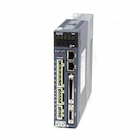 Servo Systems
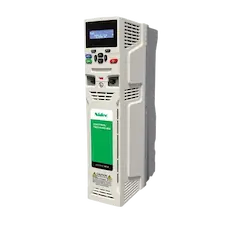 AC Drive + Motor
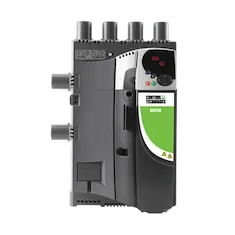 DC Drives
 Smart PLC
 Panel PC / IPC
 Remote I/O
Mattress Machinery Automation: Quilting, Spring Coiling, Foam Cutting and Roll Packing
By the ONX Control engineering team · Last updated:
In short
Mattresses are made on a few special machines: a quilting machine stitches fabric, fibre and foam to a pattern to form the mattress surface; a spring coiler produces pocket or bonnell springs from wire; a CNC foam cutter cuts block foam to size or contour; a roll pack machine compresses the finished mattress and packs it as a roll. What these machines have in common is several axes running in sync with one master motion and following a pattern or recipe. ONX Control builds the control of mattress machines with CODESYS SoftMotion, EtherCAT and servo drives.
How it works
On a multi-needle quilting machine the main shaft moves the needle bar up and down; fabric feed rolls advance one stitch length per stitch and the needle bar shifts sideways following the pattern. The pattern comes from the feed axis and the lateral axis moving together against the main shaft: while the needle is in the fabric both axes must be stopped, and once it leaves the fabric they move to the next stitch point. On single-needle (chain stitch) panel quilters the stitching head draws the pattern from CAD with X and Y axes on a gantry; here the pattern file, interpolation and corner speed planning are decisive.
On a pocket spring machine the wire is pushed by a servo feed unit; diameter and pitch tools are positioned by servo axes to form the coil diameter and pitch of the spring, and a cutter separates it. The spring is heat treated, placed in a pocket of nonwoven fabric and the pocket is closed by ultrasonic welding; spring strings are then joined into a spring unit. Each spring profile (different firmness in different zones) comes from the recipe; wire feed and forming tool motion are cammed to each other.
CNC foam cutting machines cut block foam horizontally, vertically or to contour. For contour cutting an oscillating or endless band blade follows the shape from DXF with X and Y axes, and the blade's rotary axis is held tangent to the path. For horizontal and vertical cutting the table or blade carriage moves at constant speed and cut thickness is set from the recipe.
A roll pack machine compresses the finished mattress in a press, takes it onto a film layer and rolls it with winding rolls into a pack. Compression force, rolling speed and film feed come from the recipe by mattress type; during rolling the mattress feed speed and the film feed are kept in sync. On tape edge machines the sewing head travels around the mattress and its speed and tape feed are adjusted at the corners.
-
1
Recipe and pattern
The quilting pattern, spring profile or cut shape is loaded from a recipe or CAD file.
-
2
Synchronized motion
The main shaft or master axis turns; feed, pattern and forming axes run cammed to it.
-
3
Monitoring
Thread breaks, wire end, blade condition and counters are monitored; on a fault the machine stops in a controlled way.
-
4
Transfer
The panel, spring unit or cut foam moves on to the next station or to packing.
Critical parameters
| Parameter | Why it matters | Typical range / ONX field data |
|---|---|---|
| Stitch rate (stitches/min) | Capacity of the quilting machine; limited by the dynamics of the main shaft and the feed and pattern axes. | Defined per project |
| Pattern complexity | The further the lateral axis travels per stitch, the lower the stitch rate. | Defined per project |
| Spring rate (springs/min) | Cycle set together by wire feed, forming tools and pocket welding. | Defined per project |
| Spring diameter, pitch and wire diameter | Set forming axis positions and wire feed length; directly affect spring firmness. | Defined per project |
| Cut tolerance | In foam cutting set by blade type, axis speed and keeping the blade tangent to the path. | Defined per project |
| Compression force and rolling speed | Set whether the mattress is rolled without damage and the pack size on a roll pack machine. | Defined per project |
ONX architecture
In the ONX architecture the quilting machine's main shaft is the virtual or real master axis; fabric feed and lateral pattern axes are tied to it with cam profiles in CODESYS SoftMotion, and the pattern provides the next point for each stitch. On gantry quilters and contour cutters the pattern or DXF file runs with interpolation and look-ahead velocity planning in X CNC Library.
On a spring coiler the wire feed and forming axes are cammed to the same master axis; the spring profile comes from the recipe and axis positions can be recalculated for each spring. Heat treatment current, ultrasonic welding and pneumatic moves are on the same controller. On all machines, recipes, counters and alarm history are managed from a panel PC.

CODESYS SoftMotion and X CNC
Cam profiles to the main shaft, pattern and spring recipes; interpolation on gantries and contour cutters.

Panel PC
Panel PC running CODESYS Control RTE, the pattern library and the operator screen.
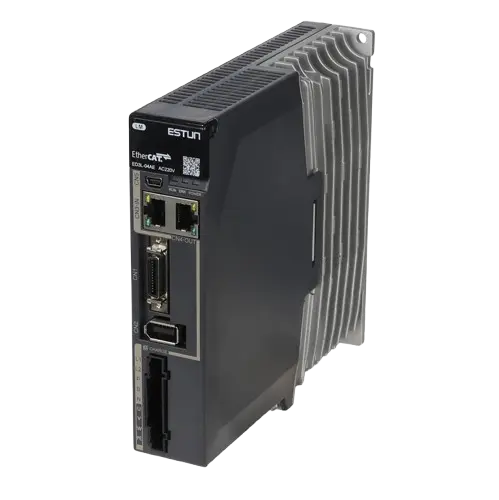
Servo drives
EtherCAT servo drives for feed, pattern, wire feed and forming axes.

Servo motors and sizing
Motor and gearbox selection for main shaft, pattern axis and wire feed.
Remote I/O
EtherCAT remote I/O for thread and wire sensors, pneumatic valves, ultrasonic welding and safety.
Field reference
The architecture on this page is built on the electronic cam and interpolation platform ONX Control uses in textile yarn machines, CNC and servo synchronization applications. We work out your machine's axis layout and pattern flow together in a meeting.
Retrofit scenario
A typical picture on mattress machines: pattern mechanisms with mechanical cams or gearboxes, part changes for every pattern change, imported control cards with no spare parts and pattern files that can only be made with the machine builder's software. In a retrofit the needle shaft, hooks, forming tools and frame are kept; pattern and forming motion move to servo axes, and patterns move to recipes in an open format.
- Surveying main shaft, feed, pattern and forming mechanics
- Sizing axes for the target stitches/min or springs/min
- Moving control to a CODESYS SoftMotion + EtherCAT architecture
- Transferring patterns and spring profiles to recipes in an open format
- Commissioning in a planned shutdown and verification with sample products
Frequently asked questions
How is the pattern formed on a quilting machine?
The main shaft makes one stitch per turn. In the angle range where the needle is out of the fabric, the fabric feed axis moves one stitch length and the lateral axis moves to the next pattern point; when the needle enters the fabric both axes must be stopped. These moves are made with cam profiles defined against the main shaft.
Where do pattern files come from?
On multi-needle machines the pattern is defined as a list of lateral positions per stitch and loaded from an editor on the screen or from a file. On single-needle gantry machines the pattern comes from CAD as DXF or G-code and runs on the CNC kernel.
What does a servo bring to a spring coiler?
Spring diameter, pitch and wire length change from the recipe; different springs can be produced for different firmness zones in the same spring unit. On mechanical cam machines this change needs a cam change.
Why is the blade held tangent to the path in foam cutting?
If a band or oscillating blade turns across the cutting direction it tears the foam and spoils the cut surface. The blade's rotary axis is driven from the path angle given by the interpolator, and speed is reduced in tight corners.
What information is needed for a quote?
Machine type, number of axes, target stitches/min or springs/min, pattern or product variety and the existing control system are enough for a first assessment.
Discuss the control of your mattress machine with our engineers
Share your machine type, axis layout and production target; we will come back with servo sizing and a control architecture proposal.