
 Control Techniques
 Estun Automation
 CODESYS
 Leroy-Somer
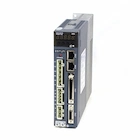 Servo Systems
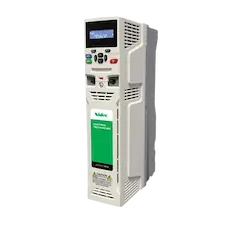 AC Drive + Motor
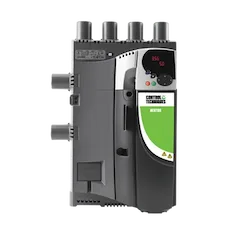 DC Drives
 Panel PC / IPC
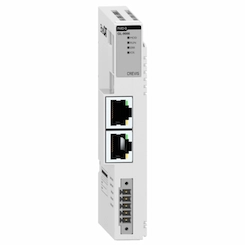 Remote I/O
Black Box PLC vs PC-Based Automation (Real TCO Analysis)
This analysis compares not only the initial hardware price, but also licensing costs, number of engineering seats, annual service, critical spare parts, vendor lock-in risk, and multi-year ownership costs. See where the Nexcom IPC + CODESYS + EtherCAT I/O architecture creates a real advantage over the classic black box PLC approach.
Architecture Comparison Framework
Separate PLC CPU + separate smart HMI + per-axis motion expansion + vendor-locked I/O + annual or version-based engineering/service costs.
PLC + HMI + Data Processing + Motion Control on a single industrial IPC. Modular I/O via EtherCAT, open-architecture software, and more transparent scaling.

Industrial IPC Layer
Fanless IPC architecture consolidates PLC, HMI, data acquisition, and high-level integration into one core.
IEC 61131-3 Software Freedom
Hardware-independent project structure reduces the risk of re-platforming during the machine lifecycle.

Modular EtherCAT I/O
Remote I/O architecture offers transparent costs and flexible layout for field expansions.
What is included in this model?
This calculation compares control-architecture-specific items: CPU/IPC, HMI hardware, motion expansion approach, I/O cost, software seats, annual service expenses, and critical spare stock. Servo drives, motors, panel labor, field wiring complexity, and application-specific function blocks must be verified separately during quoting.
1 Machine Scope and Comparison Horizon
For simple machines with low axis counts, a micro PLC may still make sense. But as axes, data processing, HMI complexity, and lifecycle grow, the TCO balance shifts to open architecture.
2 Traditional Black Box PLC Assumptions
You can get a more realistic TCO comparison by tweaking these assumptions based on the brand you currently use.
3 ONX PC-Based (SoftPLC) Assumptions
Because licensing and hardware are more transparent in open architecture, some items are auto-calculated. You can still adjust the I/O factor and service assumptions.
Engineering Note: What is the Real Value Here?
Scaling Cost: In black box architectures, as axes, smart HMI needs, and special functions increase, cost often jumps non-linearly. In the PC-based approach, PLC, HMI, recipes, data gathering, and high-level comms scale cohesively on the same IPC.
Real TCO Logic: Even if an architecture seems cheaper at initial CAPEX, it can become expensive over 3-5 years due to seat licenses, spare stock, service waits, platform dependency, and re-engineering burdens. True comparison lies here.
4 Items Included / Excluded in this Model
- • PLC CPU / IPC main control hardware
- • HMI panel vs bare display panel delta
- • Motion expansion approach
- • Digital / Analog I/O cost
- • Seat-based software & annual service
- • Critical spare stock & lifecycle reserve
- • Servo drives and motors
- • Panel labor and field wiring
- • Special safety architectures
- • SQL / MQTT / MES integration scope
- • UPS, RAID, backup image policy
- • Application-specific CNC/Robotic add-ons
Cumulative cost over the years: upfront investment plus annual costs. The gap between the lines is your saving.
Multi-Year TCO Comparison
Summary Breakdown
Traditional Breakdown
ONX Breakdown
Frequently Asked Questions
Is PC-based control reliable in the factory?
When built with the right industrial IPC, proper storage, watchdog, image backup, and clean power, it can be highly reliable. The issue is not just "Does it run Windows?"; the real-time runtime engine, hardware selection, and service discipline must be evaluated together.
Why is 'TCO' more important in this analysis?
Because in automation architectures, the real delta is often not in the initial purchase price, but in the licensing, service, spare stock, maintenance, and re-engineering costs incurred over 3-5 years.
In what scenario is a micro PLC still logical?
For machines with 0-2 axes, low I/O, no need for database/MES/remote access/advanced visualization, and a relatively short lifecycle, the micro PLC approach can still be economical.